

How to Import Used Clothes and Shoes into Pakistan: Customs, Duties, and Requirements
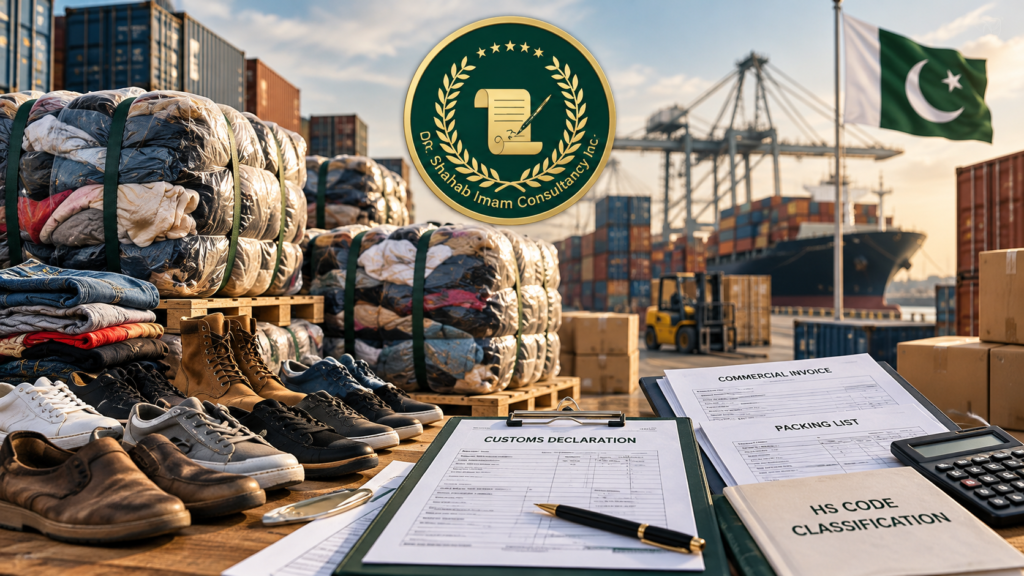
Businesses can import used clothes in Pakistan, and used shoes, when the shipment meets the rules that apply to it. A commercial importer needs tax registration, access to Pakistan Single Window (PSW, Pakistan’s online trade platform), correct customs classification, accurate documents, and a Goods Declaration (GD), the form filed with Customs for each shipment. Customs […]
How to Import and Export Copper, Aluminium & Steel Scrap in Pakistan?
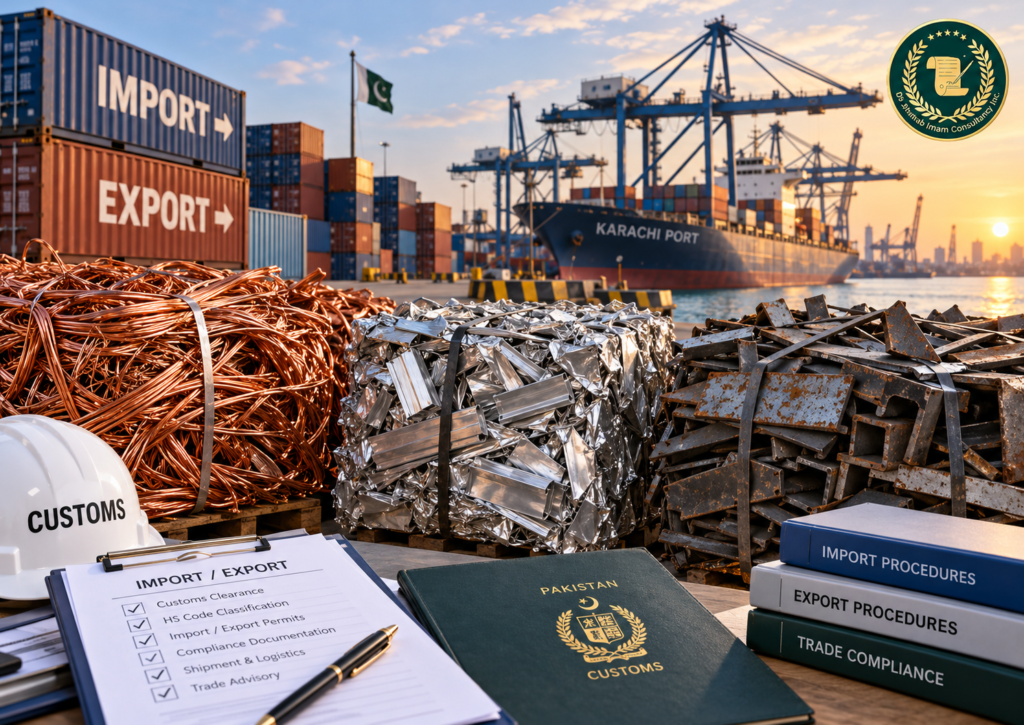
Metal scrap import and export in Pakistan carries more checks than an ordinary shipment, because the rules change with the metal, its form, and the direction of trade. A compliant shipment rests on customs classification, trade restrictions, documents, and taxes. Scrap and processed metal products can follow different tariff headings and rules. What Is Metal […]
How to Export Pink Salt from Pakistan: Requirements, Documents & Customs Rules (2026)
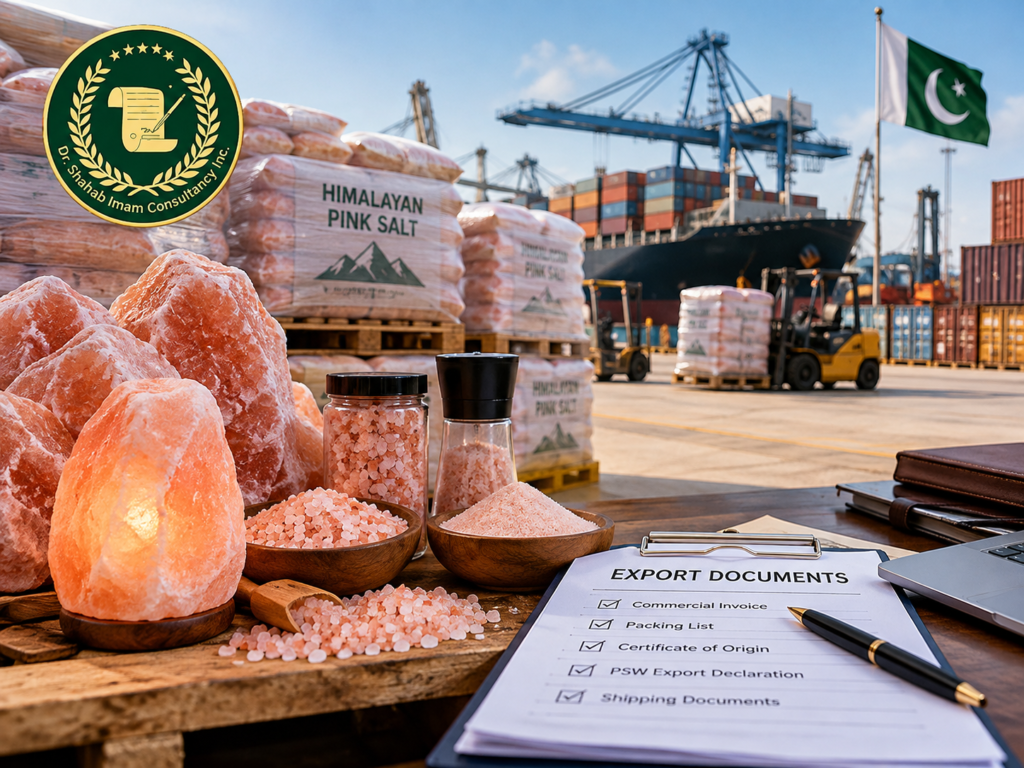
Pink salt export from Pakistan starts with a registered business and the correct product classification. You then prepare export documents, file through the Pakistan Single Window (PSW), and meet customs and destination-country rules. In 2026, Punjab also began financing salt processing to support value-added exports. Quick Facts What Are the Current Pink Salt Export Rules […]
Rice Export from Pakistan: Guidelines, Documents & Customs Process (2026)
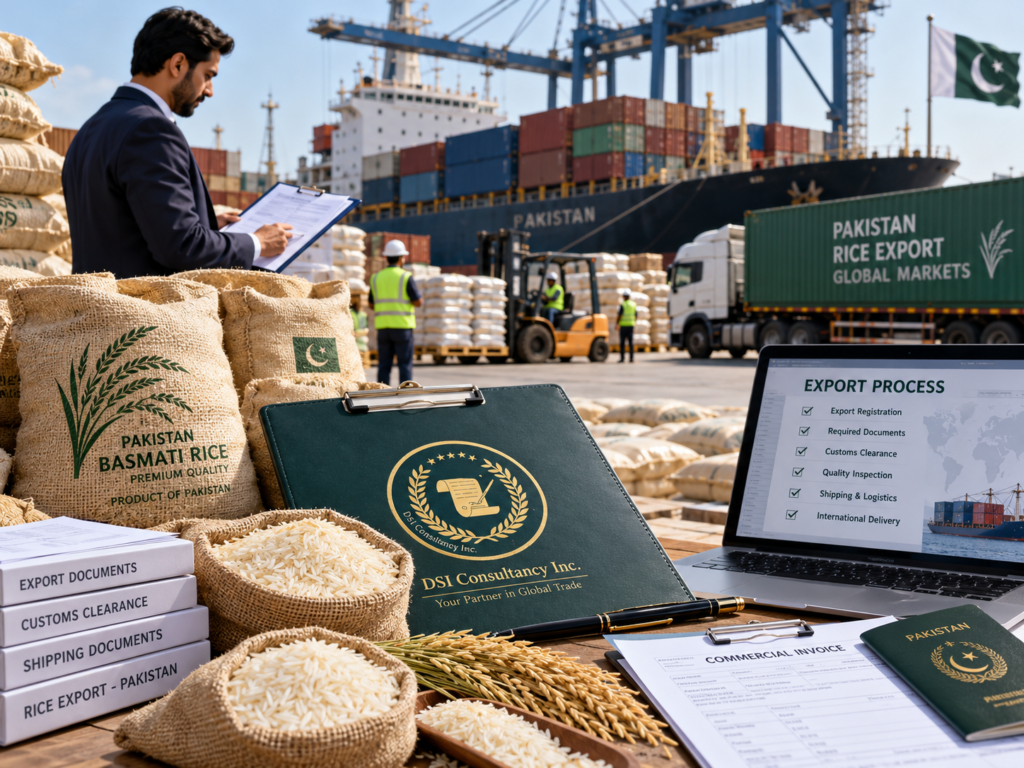
Rice export from Pakistan starts with a properly set-up business and ends with a cleared shipment and a settled payment. In between, the exporter needs correct documents, access to the Pakistan Single Window (PSW), customs clearance, and certificates such as a phytosanitary certificate. In 2026, the government also introduced a new rice export incentive. Quick […]
Delayed Goods Declaration in Pakistan: New Customs Penalties Importers Should Know in 2026
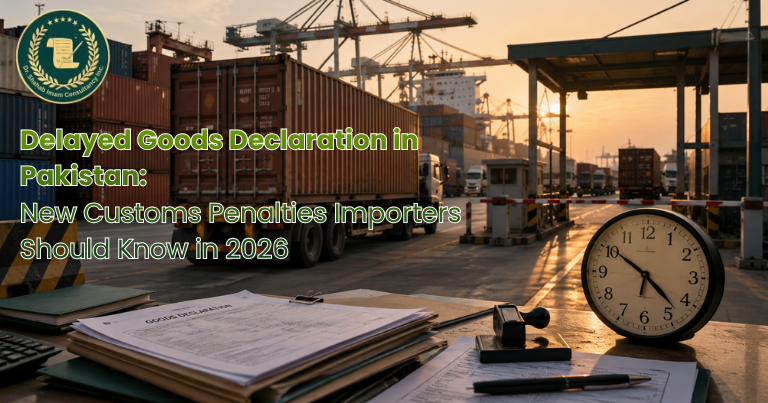
From October 1, 2026, importers covered by the new framework can face daily penalties when a Goods Declaration is not filed within the required period or cleared goods remain at the customs station too long. A late GD can result in penalties of up to Rs 1 million per case, so importers need to track […]
How Can an Income Tax Consultant Help Businesses in Pakistan?

How Can an Income Tax Consultant Help Businesses in Pakistan? TL;DR A tax return is only one part of business tax compliance. ATL status can affect tax cost, vendor checks, and business trust. Withholding tax must be reviewed before filing a return. Refund claims need correct return data and proper records. FBR notices should not […]
Tax Consultant in Karachi: Income Tax, Sales Tax, FBR Notices & Business Compliance Guide

Many people and businesses in Karachi only look for a tax consultant after a problem appears. It may be an FBR notice, a late tax return, a sales tax issue, an audit notice, a refund delay, or a business registration problem. A tax consultant in Karachi helps you understand the issue, prepare the right records, […]
Sales Tax Refund for Exporters in Pakistan: FASTER Claims, Delays & Rebate Problems

Sales tax refund for exporters in Pakistan allows eligible registered exporters to claim excess input tax when their purchases relate to zero-rated supplies or exports. Many exporters file claims through the FBR sales tax return system, but delays can happen due to data mismatch, weak records, filing errors, or FASTER claim objections. (Federal Board of […]
Income Tax Audit in Pakistan: FBR Notices, Rule 44(4), and How to Handle an Audit

TL;DR: Income Tax Audit in Pakistan An income tax audit in Pakistan is conducted by the FBR to verify your declared income, expenses, and tax compliance. Receiving a Rule 44(4) notice means your case is already under active audit and requires immediate response. A Section 114(4) notice is issued when you fail to file a […]
EFS 2026 Changes: What Exporters Must Do Now to Stay Compliant
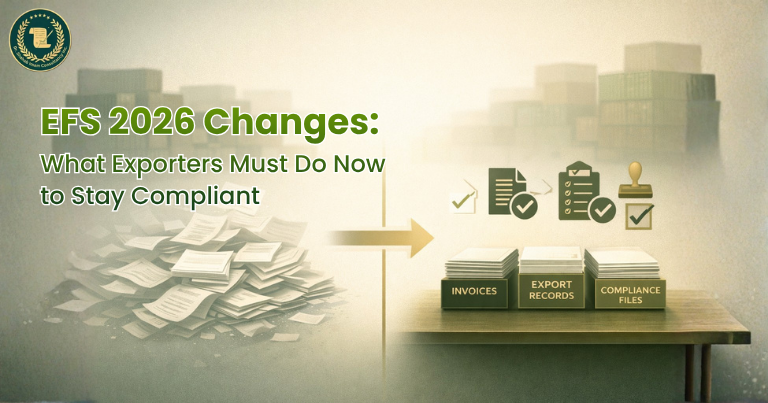
TL;DR EFS has shifted from a flexible facilitation scheme to a strict compliance-driven framework under recent SRO amendments by the Federal Board of Revenue. Raw cotton, cotton yarn, and grey cloth have been removed from EFS eligibility, impacting cost structures for many exporters Scrap imports are now restricted based on copper content (e.g., ~8–10%), with […]